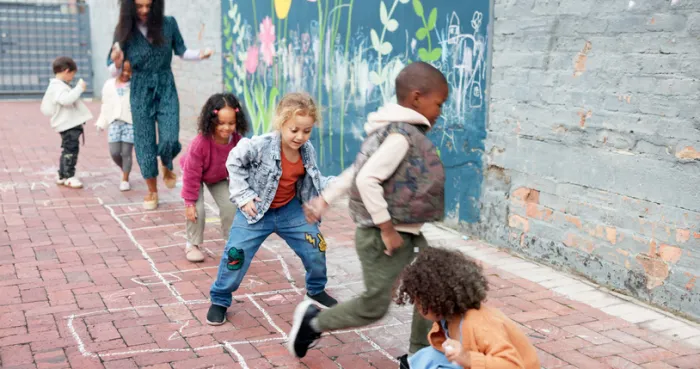
Toddlers are on the move, and not just physically. While they’re figuring out how to walk, climb, and explore everything in sight, they’re also learning something just as important, how to be social!
From smiling at grandma to handing you a toy, these little actions are big steps in your child’s social and emotional development. They’re called social milestones and they help your toddler learn how to connect with the world around them.
Here’s a simple guide to what these social milestones look like, what to expect at different ages and how you can help your child build strong and healthy social skills.
What Are Social Milestones?
Social milestones are the skills your child picks up as they learn how to interact with other people. Think of them as the building blocks for friendships, teamwork, and emotional understanding.
Some common early social milestones include:
- Playing with others
- Sharing toys
- Taking turns
- Showing feelings like laughing, hugging, or even getting mad
- Understanding how others feel
These milestones don’t just happen overnight, they are social skills that are developed over time, usually between the ages of 1 and 3. Every child moves at their own pace, so don’t worry if your toddler is doing things a little differently than their friends.
What to Expect by Age
Here’s a closer look at what social milestones usually look like in toddlers as they grow.
Ages 12 to 18 Months
At this stage, your toddler is just starting to notice other people more. You might see them:
Smile at familiar faces
- Play peekaboo with you or a sibling
- Reach out for hugs
- Clap when you clap or laugh when you do
- Offer you toys or sometimes throw them at you
They’re learning that people respond to them, and it’s fun.
Ages 18 to 24 Months
Now things get more interesting. Your toddler may:
- Start pretend play like feeding a doll or giving a stuffed animal a bath
- Try to share, though it might not always go smoothly
- Show concern if someone’s sad
- Copy what others are doing, especially adults or older kids
- Say short words to express feelings like “no,” “mine,” or “happy”
This age is big for copying and testing boundaries. Don’t be surprised if your toddler acts like a tiny mirror of everything you do.
Ages 2 to 3 Years
By now, your toddler’s social world is really opening up. You might see them:
- Play alongside or even with other children
- Take turns with some help
- Talk about their feelings and yours
- Use pretend play to act out real-life situations
- Start to understand rules, even if they don’t always follow them
They’re learning to handle emotions, talk things out and build friendships, even if there are still a few tantrums along the way.
How Can You Help?
You don’t need special classes or fancy toys. Just showing up and interacting with your toddler is the best way to help them grow socially. Here are a few easy and powerful ways to support their development:
Talk a lot: Describe what you’re doing, ask questions and name feelings. For example, “You’re sad because your toy broke.” This helps them connect words to emotions.
Play together: Get on the floor and join their games. Let them lead. It shows them that their ideas matter and builds confidence.
Read books: Pick stories about emotions, friendship and everyday life. Talk about what the characters are feeling or doing.
Set routines: Having regular mealtimes, playtimes and bedtimes helps toddlers feel safe. Knowing what comes next makes them feel more secure and ready to learn.
Make time for other kids: Even if they’re just watching others play at first, it helps toddlers figure out how social play works.
The most important thing is to be present and patient. Your child is learning a lot all at once.
When to Ask for Help
Every child is different, and some just take a little longer to warm up socially. But here are a few signs you might want to check in with your child’s doctor:
- Not showing interest in others by 18 months
- Not playing pretend by age 2
- Rarely making eye contact or showing emotions
- Struggling a lot with interacting by age 3
If something feels off, trust your instincts. Getting support early can really help.
People also ask…
What happens between 0 and 2 years old?
Babies start by smiling and watching faces. By 1, they may wave, clap, or play peekaboo. By 2, they might start pretend play and even try to share a toy or snack.
What do toddlers really need socially?
Someone to play with, talk to and help them feel safe. They also need time to explore with other kids, even if it’s just at the park or in a playgroup.
When do toddlers start being social?
Even by 12 months, babies are picking up on social cues. They may smile, laugh, or reach for others. By age 2, they’re more likely to want to play with other kids, not just next to them.