Bruna Dias

Discover low-stimulus cartoons that calm, teach, and inspire kids! From Bluey to Daniel Tiger, explore shows designed for balanced, mindful entertainment.
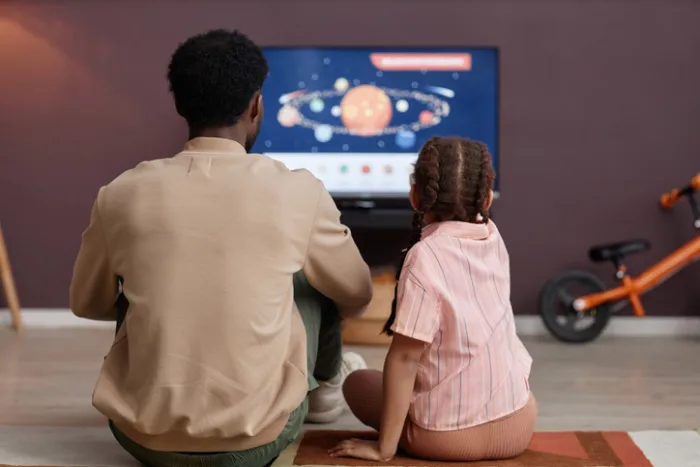
In our childhood, the cartoon experience was strictly defined by the public television schedule. A pre-determined curation dictated what, when, and for how long we would watch.
The excitement of rushing home in time for our favorite show made the experience engaging and directly influenced our consumption habits. With the arrival of streaming and unlimited access, the power of choice shifted. Control over what to watch moved to the user, who now makes decisions in seconds.
This fundamental change transformed content production. Today, we see increasingly colorful and exciting cartoons with less complex narratives and an accelerated pace designed to compete with the constant stimuli of a hyper-connected world and kids who demand a rhythm that fits their own accelerated way of living.
With an increasingly immediate consumption profile, children are exposed to colorful, dynamic animations with little dialogue and short developments. The frenetic pace reflects the race for the attention of a hyper-stimulated and impatient audience, where any mistake can mean a loss of engagement.
Countering this trend, low-stimulus content has emerged as a healthy alternative to a model that, in the long term, has been impacted and impacts child development.
These shows explore elements that create a calm environment with soft colors and rich dialogues that stimulate vocabulary and attention. Their stories are more elaborate, with a clear beginning, middle, and end. With pastel tones and a measured rhythm, these cartoons promote tranquility for the viewer.
They have become a valuable resource for parents seeking to resist the digital cacophony and rediscover the essence of their own childhoods, when the analog pace allowed time to think and comprehend.
Based on this intention to provide recommendations for quality content that offers a healthy and easily accessible stimulus for young ones, we have prepared some suggestions for low-stimulus content below.
Daniel Tiger: Inspired by the classic Mister Rogers' Neighborhood, this animated series focuses on socio-emotional development. The pace is calm, and the protagonist, a tiger cub named Daniel, uses simple songs to help children understand and cope with their emotions.
Where to watch: Limited episodes available on Hopster Learning
Bob the Builder: This show follows Bob and his team of talking construction vehicles as they solve problems and work together. The show’s core themes are teamwork, problem-solving, and a focus on community. With its simple animation and deliberate pacing, it’s a great example of content that encourages patience and logical thinking.
Where to watch: Limited episodes available on Hopster Learning
Pocoyo: Characterized by its minimalist design and white background, Pocoyo follows a curious little boy and his friends as they explore their world. The show is known for its slow, clear pacing and simple dialogue, which helps young children focus and understand the narrative without being overwhelmed by visual clutter.
Where to watch: Limited episodes available on Hopster Learning
Bluey: An acclaimed Australian series, Bluey is known for its balanced pace and its focus on play and imagination. While it is more dynamic than the others, it still fits the low-stimulus concept by addressing family and friendship themes in a realistic and emotionally intelligent way.
Where to watch: Episodes available on Disney+
For more information, check out these popular topics:

Your Partner in Parenting, From Baby Name Inspiration to College Planning.
Subscribe