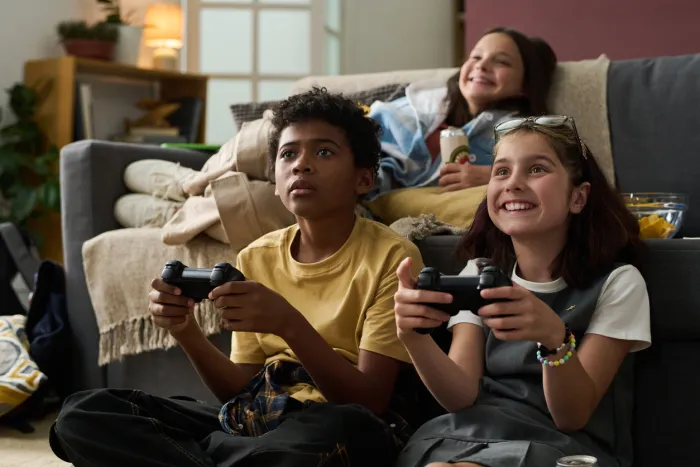
Many parents wonder: Do video games make kids more violent? If your child spends hours playing intense games, especially ones involving battles or fighting, it’s natural to feel concerned. But the answer isn’t black and white. Let's take a closer look at what’s really going on and what parents should know.
Do Violent Games Make Kids Violent?
Playing a violent video game doesn’t automatically lead to violent behavior. Most kids who enjoy these types of games never act out in harmful ways.
It’s important to understand the difference between temporary frustration and long-term aggression. Getting upset over a tough level or a lost match is common. That frustration usually passes quickly and doesn’t lead to harmful behavior.
Some games can be intense or competitive, which may cause short bursts of frustration. If your child yells or slams the controller, it’s likely because they’re reacting to stress in the moment, not showing signs of deeper aggression.
However, if these reactions become frequent or extreme, it may be a sign that something else is going on emotionally.
What Do the Experts Say?
Researchers at Oxford University found no clear link between violent video games and aggressive behavior in teens. Researchers studied a large group of adolescents and compared their gaming habits with reports from their parents. There was no noticeable increase in aggression among those who played violent games.
The researchers emphasized that behavior is shaped by many different factors, like home environment, emotions, and social life, not just media. In short, playing intense games doesn’t automatically lead to violent actions.
Why Do People Blame Video Games?
When bad things happen, especially violent incidents in the real world, people naturally look for reasons. If the person involved plays violent games, that detail may be highlighted. But that doesn’t mean the game caused the behavior.
In reality, many different factors contribute to violent actions, and it’s rarely just one thing.
Are There Any Benefits to Gaming?
Yes! Video games can have positive effects, especially when played in moderation. Some benefits include:
- Problem-solving and critical thinking
- Hand-eye coordination
- Teamwork and communication during multiplayer games
- A fun way to relax and reduce stress
Not all games involve violence. Many focus on creativity, strategy, cooperation, or even learning and emotional resilience.
What Should Parents Watch For?
Rather than worrying about the content alone, pay attention to your child’s overall behavior. Some signs to look out for include:
- Consistent anger or irritability after playing
- Avoiding family and friends
- Changes in school performance
- Skipping meals or sleep to keep gaming
- Getting upset when asked to stop
If these issues come up often, it might be time for a calm conversation about their habits and feelings.
What Can Parents Do?
You don’t need to control every moment of screen time, but staying involved helps. Here are a few simple steps:
- Know what they’re playing: Read the game description, check the age rating, or watch a few minutes of gameplay to understand it better.
- Set clear limits: Create a schedule that works for your family. Consistent rules make it easier for kids to follow them.
- Join in: Playing together, even occasionally, shows interest and builds trust.
- Watch their mood: Occasional frustration is normal, but regular emotional changes are worth noticing.
- Follow official ratings: Use ESRB or PEGI ratings as a guide to avoid content that may not be age-appropriate.
People Also Ask…
Do video games damage mental health?
Not by themselves. But if a child uses games to avoid problems or plays too much, it can affect their mood and well-being.
Can games cause criminal behavior?
No. Playing violent games doesn’t lead most kids to commit real-life violence.
Why does my child act out after gaming?
High-energy games can cause frustration. This is a short-term reaction and usually fades quickly after stopping play.
Are there games I should avoid?
Some games include extreme violence, strong language, or disturbing themes. If a game doesn’t feel right for your child, trust your instincts and skip it.